
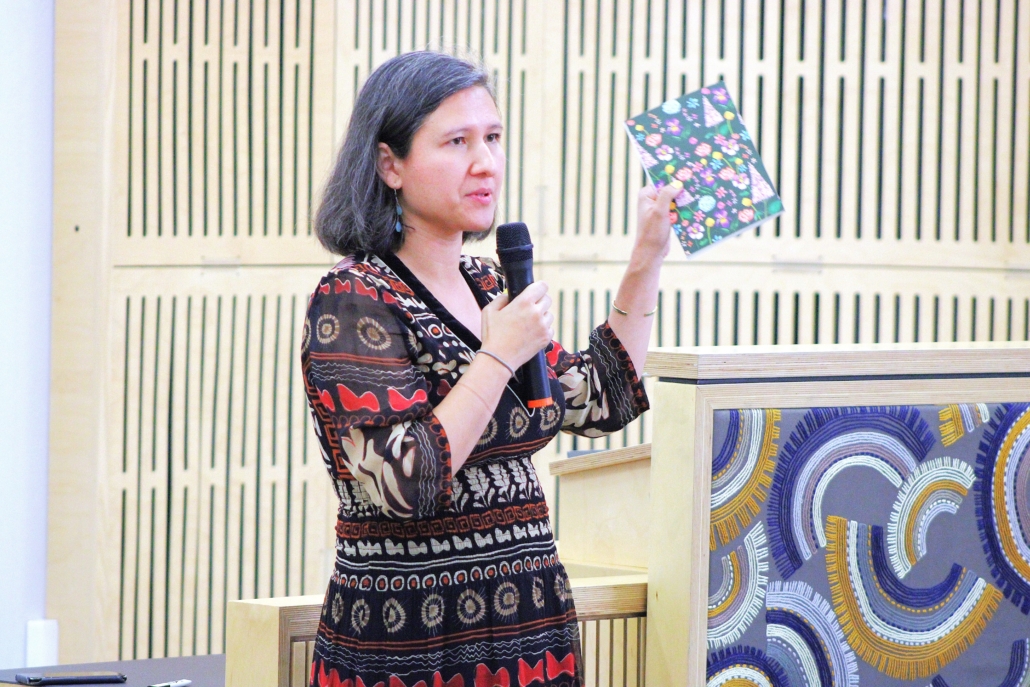
Ambassador Delphine O: Exploring Feminist Foreign Policy at Future Africa
Future Africa recently welcomed Ambassador Delphine O, an esteemed figure at the French Ministry of Foreign Affairs and Secretary-General of the Generation Equality Forum. She delivered a compelling guest lecture that explored the significance of Feminist Foreign Policy (FFP) in today’s interconnected and digital world.
The Ambassador discussed France’s journey since embracing FFP in 2019. She defined FFP as a strategic policy framework that prioritizes gender equality and the rights of women and girls in all foreign policy initiatives. According to her, this approach aims to incorporate gender considerations into traditionally non-gendered areas like trade, international security, and climate diplomacy.
Ambassador O emphasized that policy decisions often exhibit different impacts on women and men, even if they seem neutral at first glance. FFP addresses this discrepancy by urging governments to evaluate how each policy could influence gender outcomes.
A crucial point raised during her lecture was the alarming rise of technology-facilitated gender-based violence. She highlighted the pervasive problem of online abuse and expressed concerns about artificial intelligence’s role in generating harmful content, such as non-consensual deepfakes, often without adequate regulatory oversight.
In response to these pressing issues, she noted various global initiatives, including the GRIT (Gender Rights in Tech) program based in Cape Town. This initiative develops multilingual chatbots aimed at aiding victims of cyber violence, providing essential support that is sensitive to different languages and cultural contexts.
A significant concern raised was the increasing trend of eliminating gender-inclusive language from international agreements. Ambassador O urged for enhanced global collaboration to uphold these values and stressed the necessity of empowering grassroots feminist organizations, many of which encounter obstacles related to funding and official recognition. Despite recent initiatives to secure financial support, the demand for assistance remains substantial.
How do you think we can further promote the principles of Feminist Foreign Policy in global discussions?


