
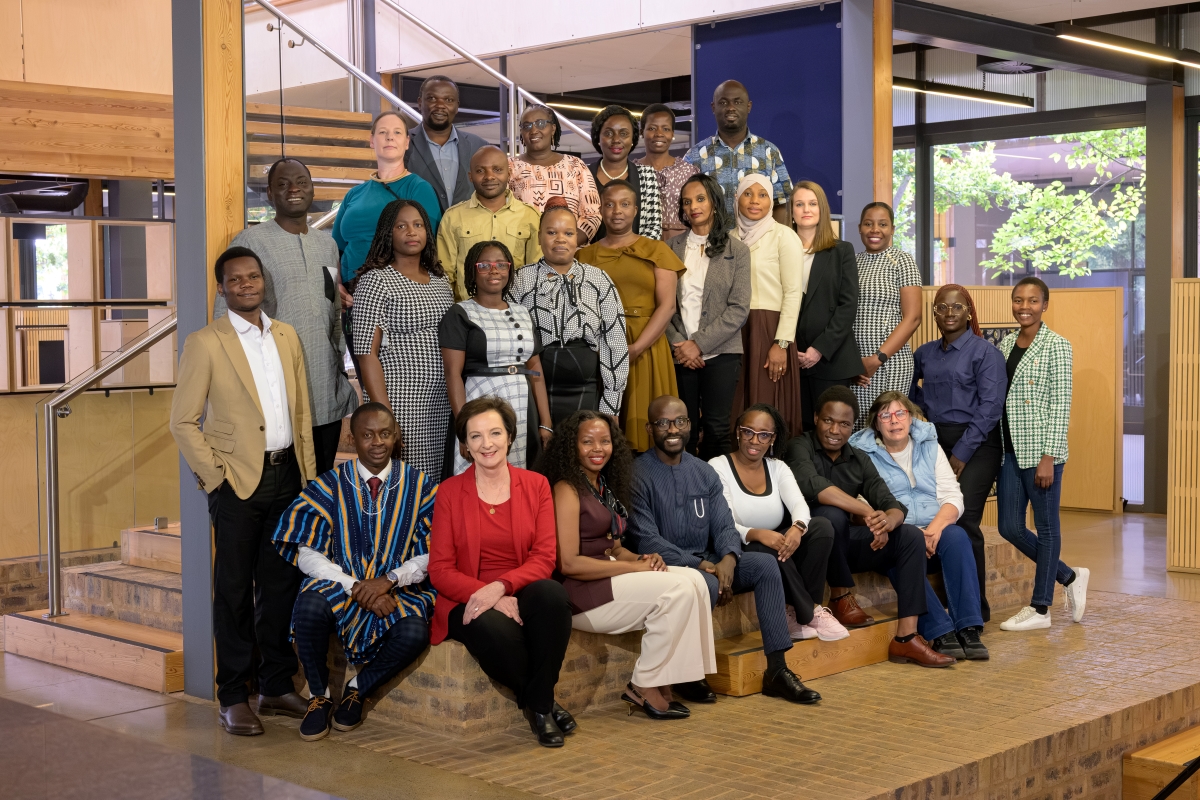
Future Africa Introduces Second Cohort of FAR-LeaF Fellows
The Future Africa Research Leadership Fellowship (FAR-LeaF) is making strides in nurturing research talent across the continent. Recently, the University of Pretoria’s Future Africa pan-African platform celebrated the induction of its second cohort through an engaging week-long symposium held on its campus from August 4 to 8, 2025.
This gathering welcomed 22 postdoctoral fellows from ten different African nations, including Nigeria, Ghana, Ethiopia, Kenya, South Africa, Tanzania, Botswana, Malawi, Benin, and Zimbabwe. Such a diverse representation showcases the fellowship’s commitment to promoting Africa’s next wave of research leaders while fostering collaboration throughout the continent.
H2: Purpose and Support of FAR-LeaF
Funded by the Carnegie Corporation of New York, FAR-LeaF aims to support early-career researchers by honing their transdisciplinary research and leadership abilities. This fellowship is focused on cultivating a robust network of African scientists equipped to tackle complex challenges that intertwine human well-being and environmental issues.
H3: Exchange of Knowledge and Networking Opportunities
During the symposium, fellows engaged in insightful lectures from prominent academics such as Professor Colleen Vogel, Professor Derick de Jongh, and Professor Emma Ruttkamp-Bloem, among others. These sessions covered pivotal topics like leadership, resilience, sustainability, and interdisciplinary research.
The event created a valuable space for fellows to meet face-to-face with peers and the FAR-LeaF team. Attendees also had the chance to share ideas and explore potential collaborative efforts across regions.
H3: Mentorship for Personal and Professional Growth
A significant highlight of the symposium was the introduction of mentors from the University of Pretoria. Chosen by FAR-LeaF Programme Director, Professor Stephanie Burton, these senior academics are there to provide guidance, connections, and career support. For many fellows, these interactions opened doors to new research strategies, interdisciplinary partnerships, and opportunities for long-term advancement.
Professor Burton praised the new cohort, calling them a “strong group of talented and intelligent researchers with well-developed leadership skills.” She emphasized that the fellowship encourages participants to build their own networks alongside their educational journey.
H2: Future of FAR-LeaF
As the FAR-LeaF II initiative evolves, the fellows will continue to benefit from training, mentorship, and collaborative research experiences. Their collective endeavors not only promise to advance knowledge in their respective fields but also aim to strengthen Africa’s scientific frameworks and research leadership for a global impact.
Future Africa is delighted to host this remarkable cohort and support their transformation into influential leaders poised to shape the continent’s future.
What are your thoughts on the importance of fostering research leadership in Africa?


