
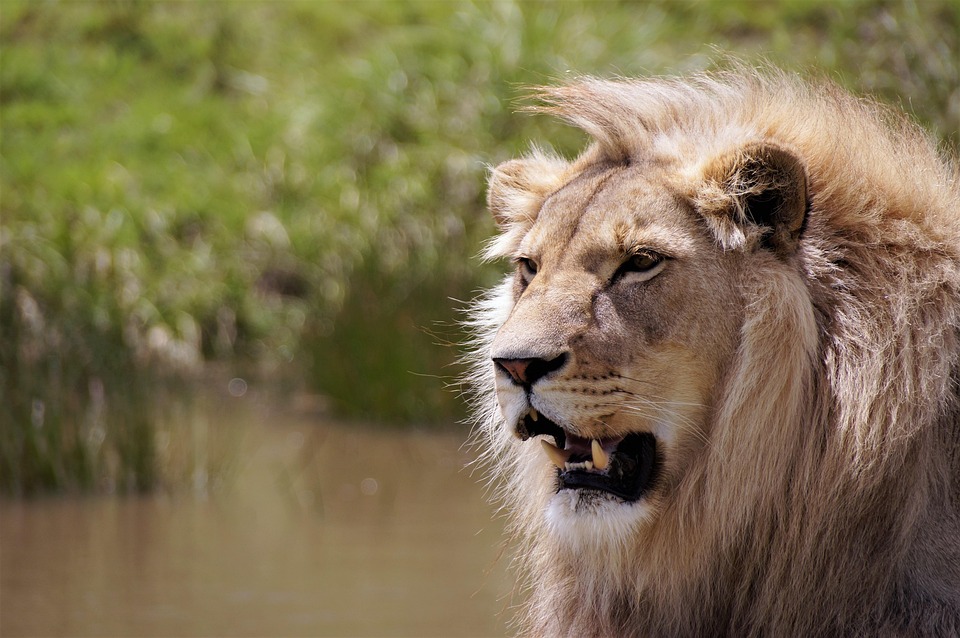
Safari Adventures Following Africa’s Major Events
Safari Adventures Following Africa’s Major Events
Africa, a continent renowned for its rich tapestry of cultures, landscapes, and wildlife, has recently been the backdrop for significant events that have reshaped its socio-economic and environmental landscape. These developments have, in turn, influenced the safari tourism industry, presenting both challenges and opportunities for adventurers seeking authentic African experiences.
Political Milestones and Their Impact on Tourism
In August 2023, Johannesburg hosted the 15th BRICS Summit, bringing together leaders from Brazil, Russia, India, China, and South Africa. The summit’s expansion to include nations like Argentina, Egypt, Ethiopia, Iran, Saudi Arabia, and the United Arab Emirates marked a pivotal moment in international relations. (en.wikipedia.org) This diplomatic evolution has the potential to boost tourism, as enhanced international ties often lead to increased travel and cultural exchange. Safari operators anticipate a surge in visitors from these newly included countries, eager to explore Africa’s natural wonders.
Sporting Events Drawing Global Attention
The 2023 Africa Cup of Nations, held in Ivory Coast, captivated football enthusiasts worldwide. The tournament’s final saw the host nation clinch their third title, defeating Nigeria in a thrilling match. (en.wikipedia.org) Such high-profile events not only spotlight Africa’s sporting prowess but also attract international visitors. Tourists attending these events often extend their stay to experience the continent’s renowned safari destinations, blending sports enthusiasm with wildlife adventures.
Environmental Challenges and Resilience
However, the continent has also faced environmental adversities. In September 2023, the Western Cape province of South Africa experienced devastating floods, resulting in significant loss of life and infrastructure damage. (en.wikipedia.org) Similarly, Kenya grappled with one of the most severe El Niño episodes since 1950, leading to catastrophic landslides and widespread displacement. (lemonde.fr) These climatic events have posed challenges for the safari industry, with some regions becoming temporarily inaccessible. Yet, the resilience of local communities and conservation efforts have been commendable, with rapid recovery initiatives ensuring that safari experiences remain available to tourists.
The Future of Safari Tourism in a Changing Africa
The interplay between Africa’s major events and its safari industry underscores the dynamic nature of tourism on the continent. Political developments can open new markets, sporting events can draw global attention, and environmental challenges test the adaptability of the industry. For travelers, this means that safari adventures are not just about witnessing wildlife but also about engaging with a continent that is continually evolving and responding to global and local events.
As Africa continues to navigate these changes, the safari experience remains a testament to the continent’s enduring allure, offering journeys that are as much about understanding its present as they are about exploring its timeless natural beauty.


