
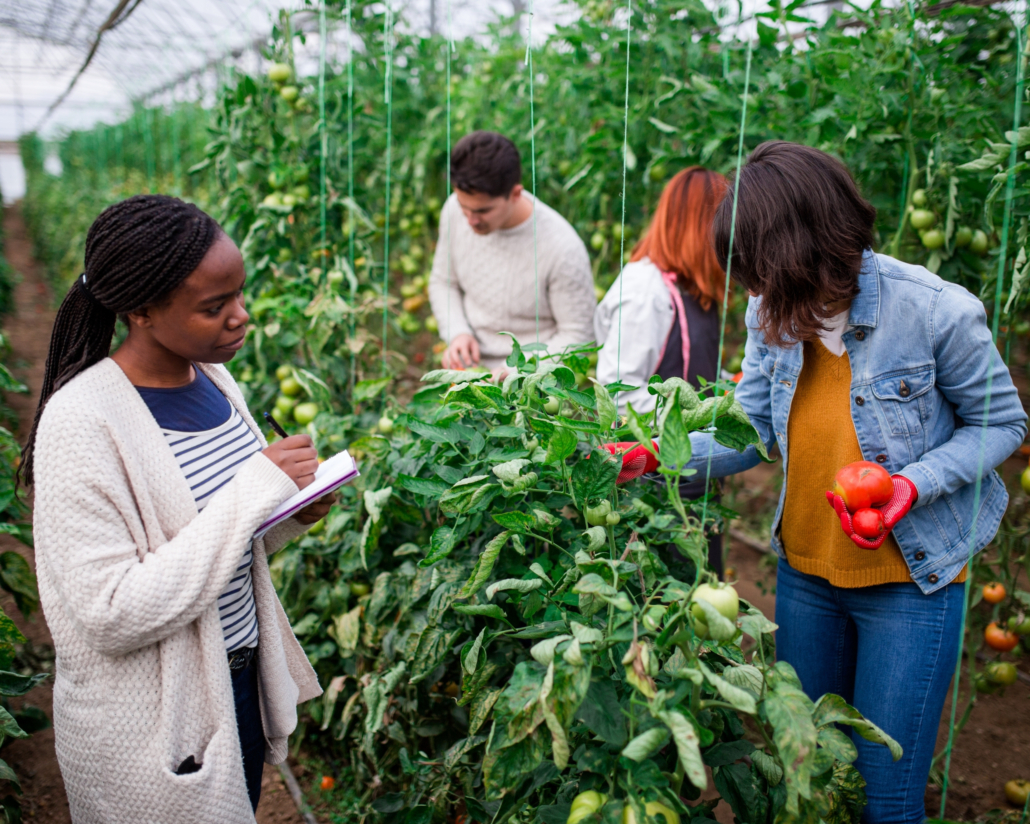
Future Africa Experts Call for Next-Gen Scientists to Transform Food Systems
Africa’s food systems are facing mounting challenges due to climate change, inequality, rapid urbanization, and environmental degradation. These factors jeopardize food availability, nutrition, livelihoods, and long-term sustainability. Addressing these issues requires a multi-faceted approach, emphasizing the need for a new generation of scientists who can collaborate across disciplines, engage with various stakeholders, and co-create actionable solutions with society.
Creating a New Leadership Model in Research
This vital message comes from a commentary featured in the South African Journal of Science by Professor Frans Swanepoel, the Future Africa Research Chair in Sustainable Food Systems at the University of Pretoria, alongside Dr. Melody Mentz-Coetzee, a Senior Research Fellow for FSNet-Africa and a Visiting Fellow at Future Africa. Their insights underscore the Food Systems Research Network for Africa (FSNet-Africa) as a promising model for fostering transformative research leadership.
Empowering Emerging Researchers
FSNet-Africa has provided support for 20 early-career researchers from 10 universities across six African nations through a two-year fellowship. Under the guidance of both African and UK mentors, these fellows have gained invaluable experience in engaged, transdisciplinary research. They have focused on developing skills in several key areas:
- Systems thinking and collaborative methodologies
- Gender-responsive and inclusive research practices
- Effective science communication and policy engagement
By blending mentorship with hands-on learning and ongoing stakeholder collaboration, FSNet-Africa equips researchers with the tools necessary to make science both impactful and relevant.
Innovations for Real-World Applications
The fellowship has already produced innovations that meet critical needs in communities. Notable outcomes include:
- Creating nutrient-rich foods derived from indigenous crops
- Developing sustainable animal feed alternatives to lessen dependence on antibiotics
- Launching a mobile app designed to assist farmers in enhancing soil health and managing fertilizer use effectively
These achievements illustrate how collaborative science can generate practical tools that boost food system resilience and facilitate sustainable transformation.
A Blueprint for Africa’s Scientific Future
Prof. Swanepoel and Dr. Mentz-Coetzee highlight that FSNet-Africa symbolizes the importance of investing in individuals and partnerships, equal to the investment in infrastructure. The principles of mentorship, stakeholder engagement, and policy integration provide valuable lessons applicable beyond food systems, extending to critical areas such as health, climate change, and biodiversity.
How do you see the role of collaborative research evolving in addressing Africa’s pressing challenges?


